


Creditors and History Check: Streamlining Vehicle Tracking with AVT’s Innovative Technology
A vehicle history check is one of the first steps in any automotive transaction. Buyers, lenders, insurers, and platforms rely on it to assess risk and make decisions remotely. Yet traditional history reports are incomplete by design. They describe events after they happen and often fail to reflect a vehicle’s actual condition at the moment it is listed or inspected. This gap creates real consequences. Disputes arise when the visual condition does not match documented history. Financing and insurance decisions slow down. Buyers hesitate or walk away when uncertainty remains unresolved.
In this article, we explore what a car history check really covers, where traditional reports fall short, and why visual, time-stamped verification is becoming a must-layer in modern vehicle evaluation. We also explain how combining historical data with real-time visual records changes the business for dealerships, auctions, platforms, and partners.
What Does a Traditional Vehicle History Report Include?
A standard car history check aggregates records collected over time from multiple sources. These typically include registration data, ownership changes, reported accidents, title status, recalls, mileage entries, and insurance claims. For many transactions, this information is necessary. It helps identify legal issues, confirm basic vehicle identity, and flag major past events. However, history reports are retrospective by nature. They describe what has been recorded, not what the vehicle looks like today. Several critical limitations remain:
- Delayed updates. Accidents, repairs, and damage are often reported weeks or months after they occur. At the moment a vehicle is listed or inspected, recent changes may not yet exist in the report.
- No visual verification. History checks do not show the current condition. Surface damage, interior wear, panel misalignment, or repair quality cannot be assessed from text-based records.
- Inconsistent reporting. Not all incidents are reported equally. Minor collisions, cosmetic repairs, and private work frequently go undocumented.
As a result, a clean history report does not guarantee a clean vehicle. It confirms paperwork, not physical state. This disconnect is where uncertainty enters the transaction. To combat these limitations, AVT introduces a next-level solution that integrates real-time tracking and visual inspection technology into vehicle history verification.
How AVT Extends Vehicle History Checks With Digital Replicas
Traditional vehicle history reports explain what has happened to a vehicle in the past. What they cannot confirm is what the vehicle looks like now. AVT fills this gap by adding a visual inspection layer that can be reviewed remotely and verified at a specific point in time.
360-degree interior and exterior capture
Instead of relying on selected photos, AVT Digital replicas feature the entire vehicle in a continuous 360-degree view. This allows buyers, dealers, and partners to inspect surfaces, materials, wear patterns, and visible damage in context, without needing additional images or explanations.
Time-stamped visual records
Every AVT digital replica is captured at a defined moment and permanently time-stamped. For the client, this means the condition they see is tied to a specific date, reducing ambiguity about when the inspection took place and limiting disputes caused by outdated or reused imagery.
VIN-linked verification
Each digital replica is linked directly to the vehicle’s VIN. VIN data is verified through the National Highway Traffic Safety Administration (NHTSA), and vehicle history information is integrated via AutoCheck, powered by Experian. This allows to cross-check historical records against the vehicle’s current visual condition in one place.
Non-editable digital replicas
AVT records cannot be altered after capture. This ensures that all parties review the same version of the vehicle, eliminating selective presentation and preserving the integrity of the inspection. Together, these capabilities turn vehicle history checks into present-state verification tools.
How Different Stakeholders Use AVT 360 Virtual Vehicle Tours in Vehicle History Verification
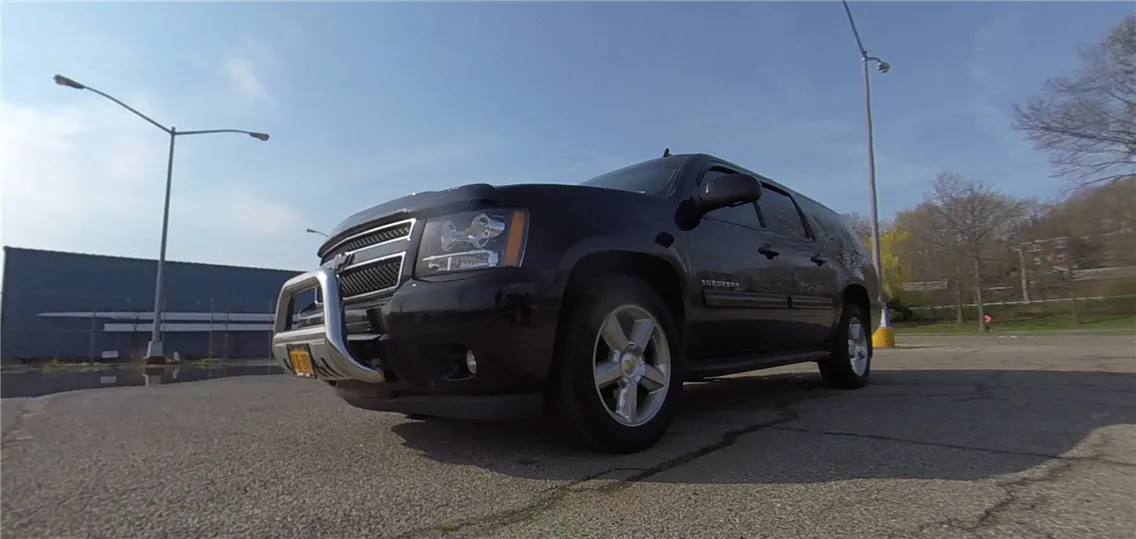
AVT’s 360-degree vehicle digital twin technology is transforming how various stakeholders in the automotive ecosystem conduct vehicle history checks. By integrating interactive inspections with real-time data, AVT ensures transparency, reduces fraud, and enhances decision-making. Let’s explore in depth how different sectors benefit from AVT’s solutions.
Buyers, Sellers, and Dealerships
For market participants, the primary challenge is uncertainty around vehicle condition. AVT allows all parties to reference the same 360-degree digital record of a vehicle at a specific point in time. Buyers can inspect condition remotely before committing to travel or negotiation. Sellers and dealerships can present vehicles with full disclosure rather than explanation. This leads to:
- Fewer condition-related disputes after viewings
- Reduced requests for additional photos or inspections
- More predictable negotiations based on shared evidence
For dealerships, AVT also supports trade-in evaluations and inventory accuracy by documenting condition before pricing decisions are made.
Lenders, Insurers, and Financial Institutions
For financial stakeholders, the vehicle is collateral. The risk is a mismatch between the reported history and the actual condition. AVT enables lenders and insurers to visually verify vehicle condition before approving loans, issuing policies, or settling claims. Digital replicas are time-stamped, VIN-linked, and non-editable, making them suitable as reference documentation rather than marketing material.
This reduces the over-financing of damaged vehicles, helps identify inconsistencies between history reports and physical condition, and speeds up approvals by reducing manual inspections. In the event of repossession or claims, pre-documented condition records support more accurate valuations and fewer disputes.
Fleets, Rental Companies, and Enforcement
AVT digital twins allow fleets and rental companies to document vehicle condition before and after use, creating a consistent reference that reduces damage disputes and supports maintenance decisions. When vehicles are resold, the same records can be reused to support valuation and buyer confidence. For enforcement and recovery services, visual records linked to VIN data provide an additional verification layer that supports investigations related to theft, fraud, or title manipulation.
AVT’s Digital Twin Technology Is Becoming a Standard in Vehicle History Checks
For decades, automotive transactions have relied on VIN-based historical records pulled from sources like the DMV, insurance databases, and law enforcement reports. While these records are essential, they present three major challenges:
- Data Lag & Incompleteness – A vehicle involved in an accident today might not have that damage reflected in history reports for weeks or months.
- No Real-Time Condition Visibility – Reports cannot capture a vehicle’s current condition, leaving room for hidden defects or misrepresentation.
- Persistent Fraud Risks – Title washing, odometer rollbacks, and VIN cloning continue to be major industry problems that traditional reports fail to prevent.
AVT's Digital Twin technology revolutionizes vehicle history verification by creating precise, interactive virtual replicas of vehicles. How we are addressing your problems:
- Comprehensive AVT's 3D Replica provides the most detailed virtual tour available, allowing viewers to examine every detail from rim to roof in an immersive and interactive manner. This includes 360° views of both the exterior and interior, with interactive features such as opening doors, compartments, and interactive push-pins with visual evidence of crucial details.
- Interactive Walk-Through Replica enables users to digitally navigate around the vehicle, seamlessly transitioning between exterior and interior views. Viewers can interact with doors, compartments, and other features, providing a comprehensive understanding of the vehicle's condition.
- Each digital replica is time-stamped and linked to the vehicle's VIN, ensuring an accurate and verifiable history of the vehicle's condition.
Why Automotive Businesses Must Adapt Now
Fraud, misrepresentation, and incomplete history checks cost the industry billions annually. By leveraging AVT’s 360-degree technology, automotive businesses can:
- Reduce financial risks in vehicle sales and lending.
- Improve transparency for consumers, lenders, and insurers.
- Enhance operational efficiency with real-time digital inspections.
For businesses looking to improve how vehicles are assessed, presented, and verified online, AVT offers a production-ready solution that integrates into existing workflows. If you want to start using AVT in your vehicle listings, inspections, or evaluations, you can order the technology directly. If you are interested in promoting AVT and earning as a partner, the AVT partner program is open to individuals and companies who want to participate in the growth of visual vehicle verification.